
Apartment building insurance
Apartment Building Insurance
One coordinated program for residential apartment owners — property, liability, rental income, equipment breakdown, and tenant-discrimination coverage, placed with carriers that actually write habitational risk.
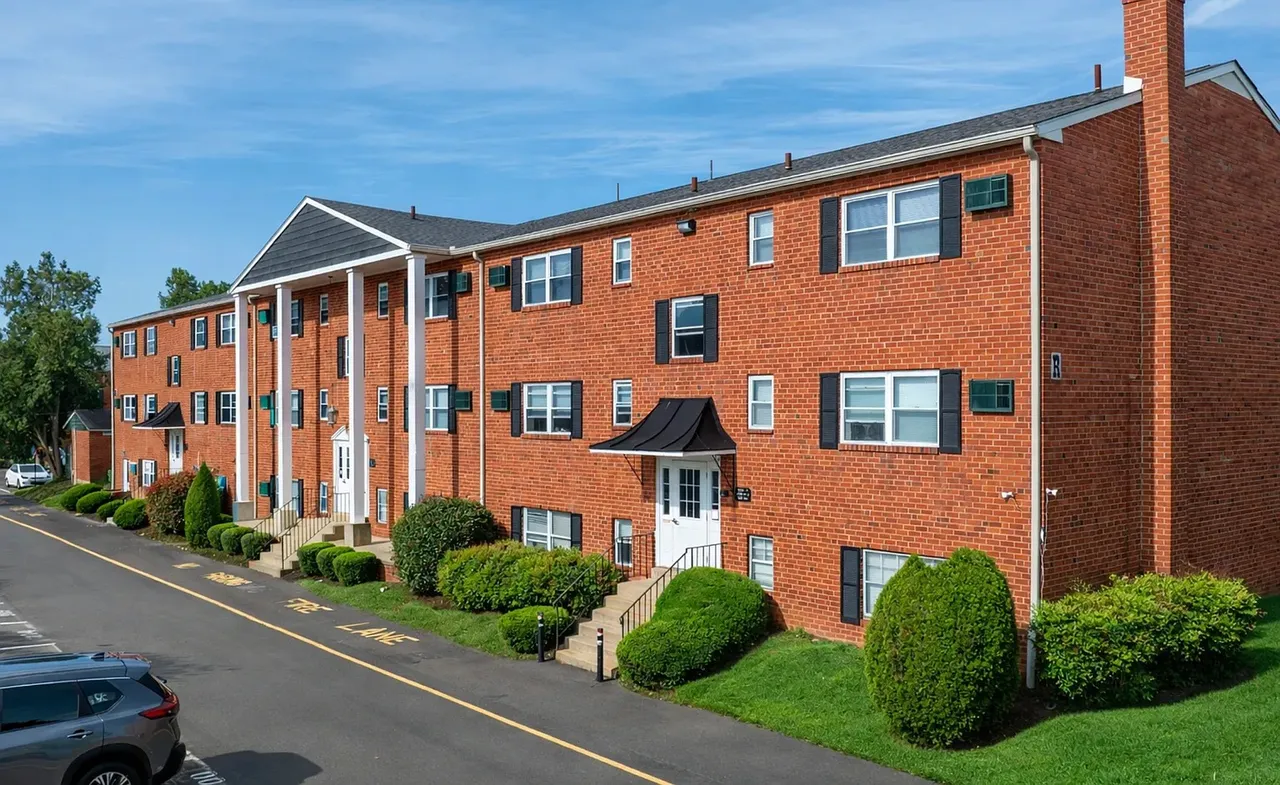

Apartment building insurance is not one policy — it is a program. A residential building exposes its owner to several risks at once: the structure can burn or flood, a resident or visitor can be injured in a common area, the rent can stop during a rebuild, a boiler or elevator can fail, and a leasing decision can draw a fair-housing complaint. A program built for habitational risk addresses all of those together, instead of leaving gaps between policies bought piecemeal.
That is the whole reason this brand exists. We place residential apartment buildings — and only residential apartment buildings — so the program is shaped around how these properties actually fail, not borrowed from a generic commercial form.
What makes apartment insurance different
Habitational risk is its own underwriting class. Carriers that write offices or retail will not always write apartments, because the loss patterns are different: constant foot traffic through common areas, water damage from aging plumbing, negligent-security exposure, and the fair-housing obligations that come with choosing residents. Underwriters look hard at roof and system age, exterior lighting and security, snow-and-ice procedures, pool and playground safeguards, and how maintenance requests are handled. The buildings that are easiest to place are the ones that can show they manage those hazards.
What we insure
We write residential apartment buildings of many sizes and ownership structures — garden-style communities, mid-rise and high-rise buildings, and smaller multifamily properties — including mixed-use buildings with ground-floor commercial space. Our focus stays on the residential building itself: the structure, its common areas, and the people who live there. A commercial tenant on the ground floor carries its own coverage for its own operations.
Coverage breakdown
An apartment program is assembled from these core lines — each has its own page:
General Liability
Liability protection for apartment building owners — bodily injury and property damage claims arising from the building, its common areas, and premises operations.
Learn more →Property Insurance
Building and physical-asset protection for apartment properties, including business income (rental income) and equipment breakdown as covered sub-sections within this coverage.
Learn more →Tenant Discrimination
Defense and liability protection for fair-housing and tenant-discrimination allegations brought against apartment building owners and their management.
Learn more →Fire
How the fire peril actually settles on a rented apartment building — cause-of-loss form, valuation, coinsurance, lost rents, protective safeguards, and the vacancy condition.
Learn more →Property is written to include business income (loss of rents) and equipment breakdown as part of the same coverage, so the rebuild, the cash flow, and the building systems are addressed together. For larger buildings and portfolios, the program is often extended with higher liability limits.
State and regulatory considerations
Apartment risk is shaped by where the building stands. Catastrophe exposure, building and housing codes, and the fair-housing protected classes that apply all vary by state and city, and so does carrier appetite. We place coverage in 48 states and tailor the program to local conditions. A few of the states where we write the most apartment coverage:
What apartment insurance costs
We do not publish a premium, because an honest number depends on the building. The drivers that move apartment pricing are consistent, though: construction type and roof age, location and catastrophe exposure, the size and amenities of the building, occupancy and tenant profile, security and loss-prevention measures, and your claims history over the last several years. A clean, well-maintained building in a low-catastrophe area prices very differently from an older building in a storm-exposed market. An agent reviews these drivers and markets the building rather than quoting from a table.
Underwriting realities
Carriers in the habitational market weigh a few things heavily: the age and condition of the roof and major systems, the construction type, the loss history, and whether the building is professionally managed or owner-managed. Deferred maintenance, a string of liability claims, or an exposed catastrophe location can narrow the field of carriers willing to quote. Knowing which markets tolerate which of those factors is the work — and it is what an independent agency focused on apartments brings that a generalist does not.
Why Apartment Guard Insurance
We are an independent agency that concentrates on residential apartment buildings. That focus means we know the carriers that write the class, the endorsements that matter, and the underwriting factors that decide whether a building is easy or hard to place. We assemble property, liability, business income, equipment breakdown, and tenant-discrimination coverage into one program built around your building.
Learn more
Frequently asked questions about apartment building insurance
What does apartment building insurance include?
A complete apartment program brings together property coverage on the building, general liability for injuries on the premises, business income to replace lost rent after a covered loss, equipment breakdown for building systems, and tenant-discrimination liability. We coordinate those lines so the program has no gaps between them.
Who is apartment building insurance for?
Owners of residential apartment buildings — from a single property to a portfolio. Whether you self-manage or use a property manager, the building owner carries the liability and property risk this coverage addresses.
Can you insure older or larger buildings?
Often, yes. Roof age, construction type, and catastrophe exposure shape which carriers are comfortable, and as an independent agency we know which markets write older frame buildings and larger properties. We match the building to a carrier rather than forcing it into one form.
How is apartment insurance priced?
Pricing reflects the building — construction, age, location and catastrophe exposure, occupancy, amenities, security, and prior claims. We do not publish a rate; an agent reviews the building and markets it to carriers that write the class.
Which states do you write in?
We are licensed in 48 states, every state except Hawaii and Alaska. Coverage is placed through Wexford Insurance, LLC, an independent agency, so appetite and pricing can be matched to your state.
How do I get a quote?
Start the quote form or call the agency. A CPCU-credentialed broker reviews your building, identifies the carriers most likely to write it, and returns a coordinated program across property, liability, business income, equipment breakdown, and tenant-discrimination coverage.
Get an apartment building insurance quote
Tell us about your building and we will market it to carriers that write the class.